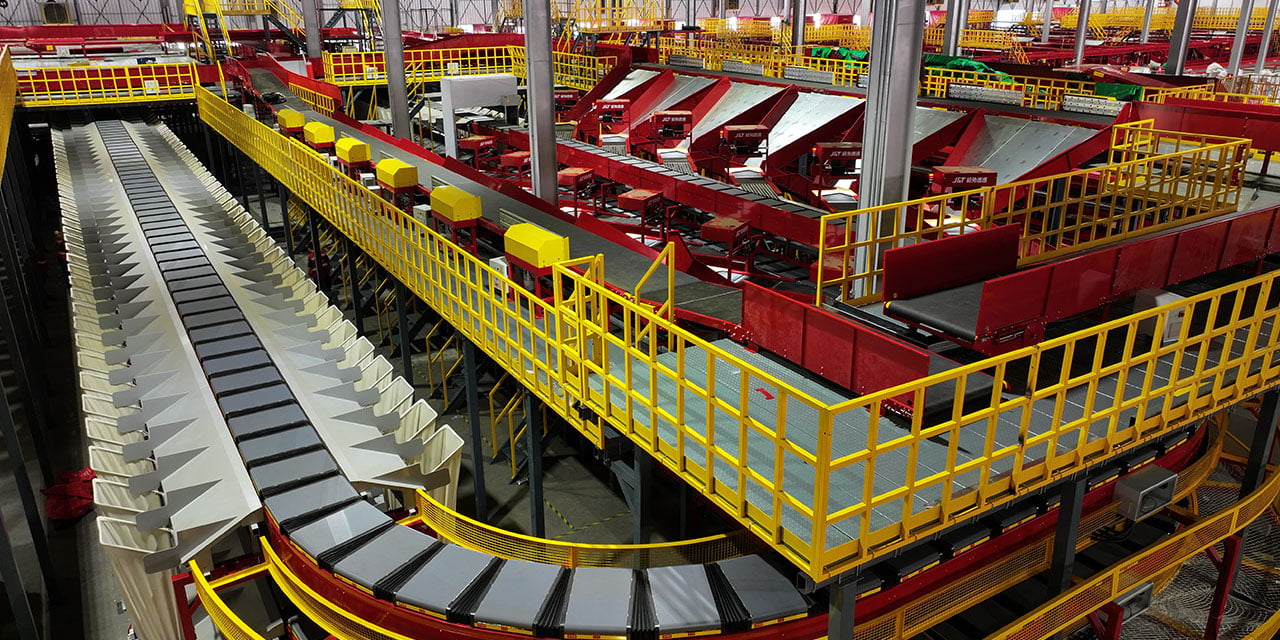
How Singapore ecommerce shippers can protect speed, customer trust, and delivery capacity during sales spikes
Peak sales periods can be a double-edged sword for ecommerce businesses. It has been long known that ecommerce campaigns such as 9.9, 10.10, 11.11, and year-end festive promotions drive significant revenue, but they may also put significant pressure on express delivery for ecommerce operations.
For ecommerce businesses, operational issues such as delivery delays and missed pickups can affect customer trust and discourage recurring purchases. The good news is that peak-season operational issues can be minimised with the right amount in planning.
Here are nine practical strategies to strengthen your ecommerce last-mile logistics and maintain service quality during peak-seasons.
1. Forecast Demand Based on Campaign-Specific Sales Patterns
Not all peak seasons behave the same way. A 9.9 flash sale may create short, sharp volume spikes, while festive campaigns often generate sustained demand over a few days. Instead of relying only on historical monthly averages, build forecasts around:
- campaign-specific order uplift percentages
- channel performance; marketplace vs Direct to Consumer (DTC) website
- SKU-level demand
- next-day delivery and 1 to 3 days delivery demand mix
For effective delivery capacity planning, many logistics teams use scenario modelling:
- base case: expected order volume
- high case: 20–30% above target
- stress case: unprecedented campaign surge
This helps prevent underestimating parcel throughput requirements.
2. Secure Carrier Capacity Early
One of the biggest reasons express delivery issues for ecommerce occur during peak periods is simple: courier networks hit capacity limits. Pickup timeslots, sorting hubs, and linehaul routes can become congested very quickly. Engage your courier partner at least 4–6 weeks before major campaigns to align on:
- expected daily parcel volume
- peak-day projections
- collection frequency
- cutoff times
- overflow contingency support
Early alignment is critical for high parcel volume shipping, especially for next-day commitments.
3. Identify Your Trusted Courier Partners Early
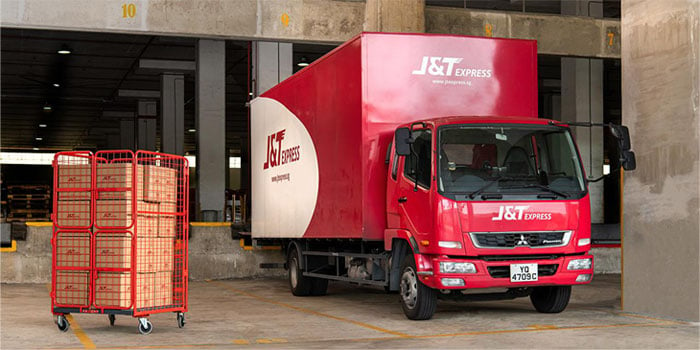
Relying on a single courier during peak periods will centralise communications and simplify issue resolution, but choosing the right logistics partner should never be left until the last minute.
Well before major sales campaigns begin, ecommerce businesses should work closely with multiple delivery partners to gain a clear understanding of each provider’s operational strengths, service reliability, and scalability under pressure. The months leading up to peak season — ideally from January to August — provide a valuable testing window to evaluate performance in real-world conditions.
For example, businesses can:
- Pilot shipments with different courier partners in the months before peak campaigns to benchmark service quality
- Establish clear communication channels and escalation workflows for service recovery, urgent issue resolution, and customer complaints
- Track and rank courier performance using key operational metrics such as:
- pickup success rate
- on-time delivery performance
- average delivery speed
- failed delivery rate
- cost per parcel
- responsiveness during service disruptions
This data-driven approach allows operations teams to make informed decisions on which courier should handle higher parcel volumes when campaign periods arrive. Rather than relying on assumptions, you enter peak season with historical delivery data that clearly shows which partners perform best across cost, speed, and reliability.
For Singapore-based ecommerce operations, this becomes even more critical during major regional sales events such as 9.9, 10.10, 11.11, and 12.12, when both domestic and cross-border parcel volumes typically surge. Having trusted courier partners already ranked and aligned ensures faster decision-making, better contingency planning, and stronger customer experience outcomes during the busiest periods of the year.
Peak-season readiness starts long before the sale goes live — and choosing the right courier ecosystem is one of the most important decisions an operations team can make.
4. Align Customer Delivery Expectations Before Checkout
Many delivery complaints occur because expectations were set incorrectly.
Clear communication around delivery timelines is one of the most effective customer delivery expectations strategies.
Best practices include displaying:
- estimated delivery dates
- cutoff times for same-day dispatch
- peak-period advisory notices
- potential festive delays
|
Understanding Estimated Delivery Timelines Next-day and 1–3 day delivery timelines begin only after the parcel has been successfully picked up by the courier — not from the time the order is placed. For example, during major sales events such as 9.9 (D-day), sellers may experience a surge in orders. If an order is placed on 9.9 but packing is only completed on 11.9 (D+2), the delivery timeline will start from the pickup booking date. In this scenario: This distinction is important in setting accurate expectations, especially during peak campaign periods where order processing times on the seller’s end may be extended. |
Customers are generally more tolerant of a 3-day delivery when informed upfront than an unexpected missed next-day promise.
5. Prioritise Fast-Moving SKUs and High-Value Orders
During extreme volume surges, not every order should be processed the same way.
Segment orders based on business priority, such as:
- next-day orders
- 1 to 3 day orders
This allows your operations teams to optimise warehouse resources and maintain service standards where they matter most. A tiered dispatch strategy is a practical method for peak sales delivery management.
6. Increase Pickup Frequency During Campaign Windows
Single daily pickups may work during normal operations, but peak season may require more flexibility. Additional same-day collection runs can help reduce warehouse congestion and accelerate first-mile movement. Consider:
- midday pickups
- evening pickups
- late cutoff collection support
This is especially useful for brands experiencing sudden spikes from flash sales or live commerce events.
7. Strengthen Last-Mile Exception Handling
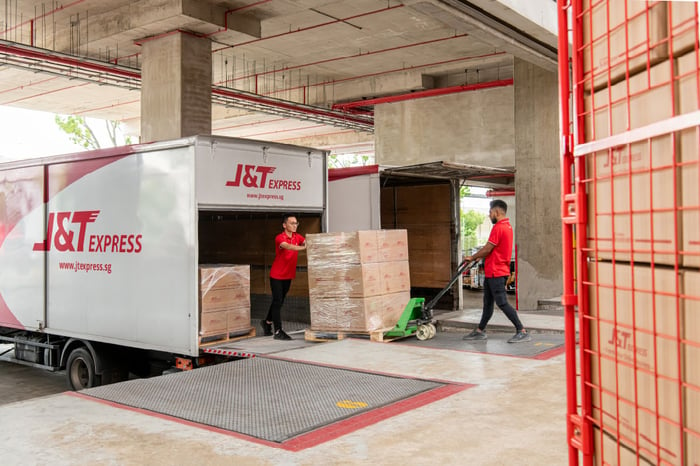
Peak periods naturally increase failed deliveries due to:
- incorrect addresses
- customer unavailability
- building access restrictions
- surge-route delays
Strong ecommerce last-mile logistics processes should include rapid exception handling workflows.
Key measures include:
- automated address validation
- proactive failed-delivery notifications
- reattempt scheduling
- customer service escalation protocols
Reducing exception resolution time directly protects customer satisfaction scores.
8. Monitor Delivery Performance in Real Time
Peak season is not the time for weekly reporting. Operations managers need near real-time visibility into:
- first-attempt delivery success
- on-time delivery rates
- hub processing delays
- courier pickup completion
- failed delivery reasons
Daily dashboards allow teams to react quickly and shift volume when needed.This is a core component of effective delivery capacity planning.
9. Build a Post-Peak Review Framework
Every peak season is a learning cycle for all ecommerce logistics service providers. After each campaign, a detailed review should cover:
- actual vs forecast volume
- carrier SLA performance
- delay root causes
- customer complaints
- warehouse bottlenecks
This will generate insights to strengthen future express delivery for ecommerce planning and improve long-term operational resilience.
Final Thoughts
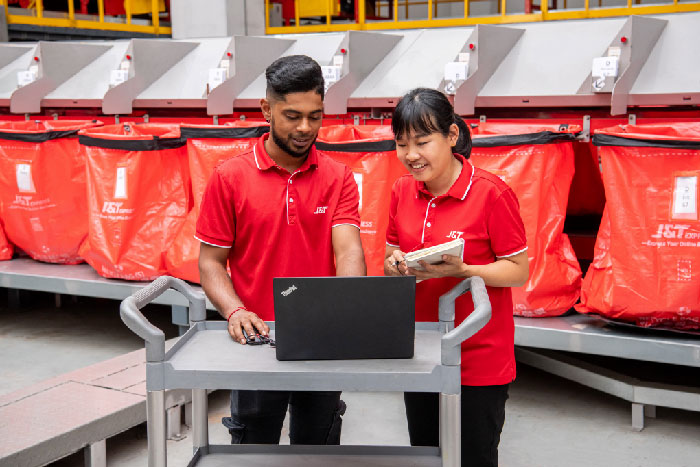
Peak-season performance is rarely determined by delivery speed alone. Success comes from joint pre-planning of capacity, finding your trusted courier, managing customer expectations, and building flexible operational workflows for high parcel volume shipping. For ecommerce brands in Singapore, strong peak sales delivery management can be the difference between customer loyalty and churn during the most commercially important periods of the year.