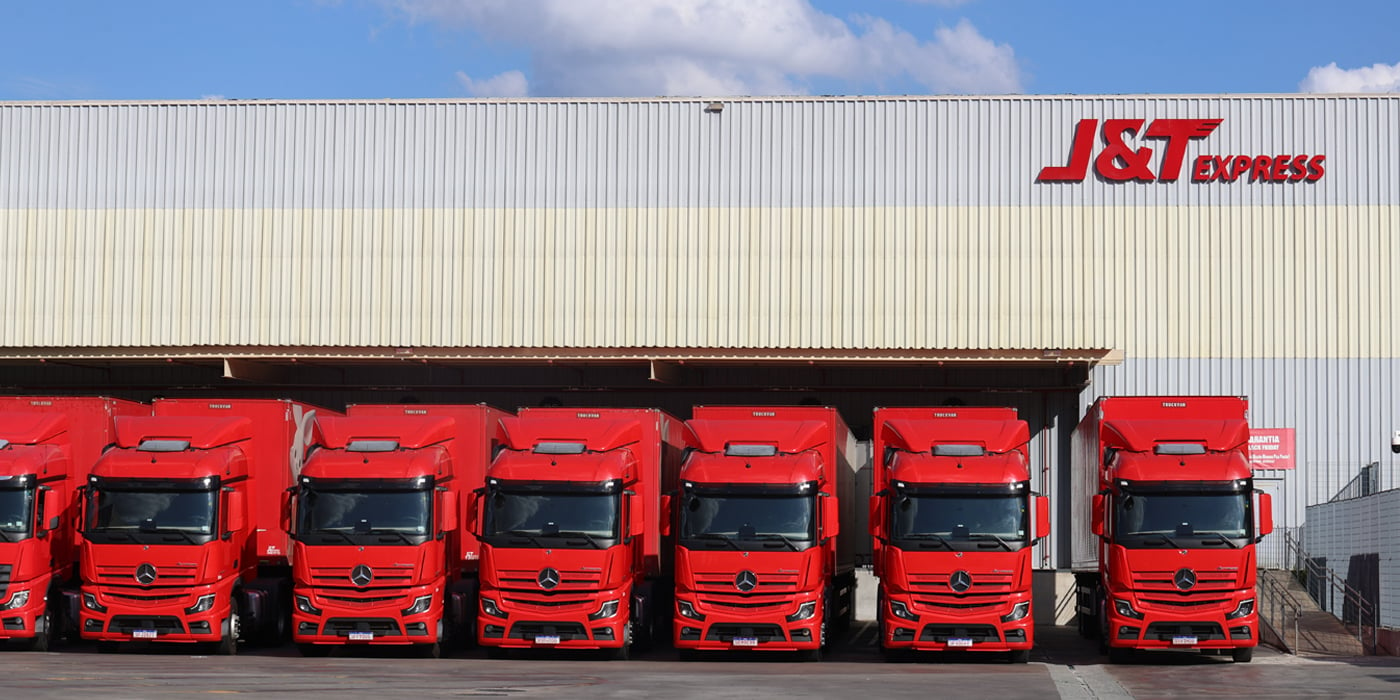
Choosing the right express delivery partner can make or break your ecommerce business in Southeast Asia. Consumer needs may be evolving as the ecommerce industry advances, fast and reliable delivery remains the top priority. J&T Express has built its reputation helping regional sellers solve exactly this problem with platform integrations and trackable deliveries across Southeast Asia.
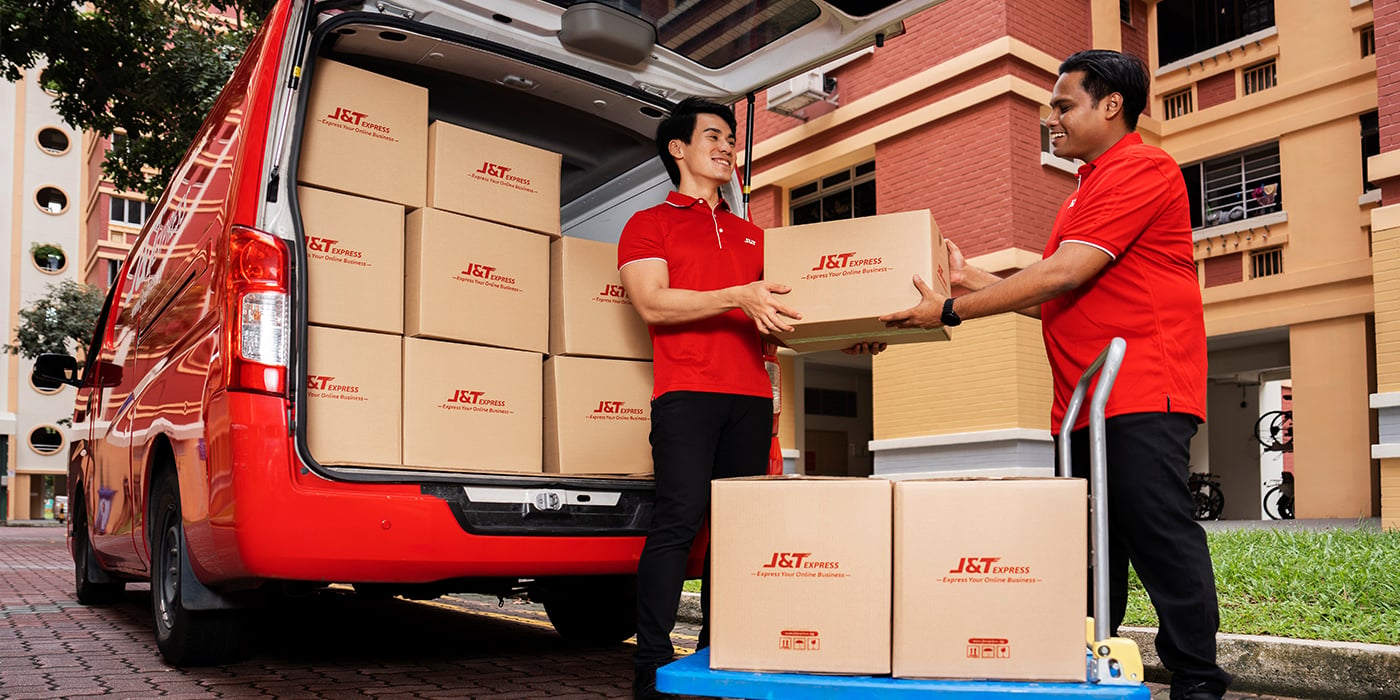
This guide walks you through everything you need to evaluate when selecting an express delivery partner. You'll learn what criteria matter most, how to assess platform integrations, and what to look for during peak shopping seasons. By the end, you'll have a clear framework for making this critical decision.
Key Takeaways: How to Choose Express Delivery for SEA ECommerce
- Platform integration with major marketplaces streamlines your order fulfilment and reduces manual work.
- Regional coverage across multiple Southeast Asian countries lets you expand your customer base without juggling multiple delivery partners.
- Peak season reliability during events like 11.11 and 12.12 requires automated sorting capacity and expanded delivery fleets.
- J&T Express is well equipped to process over 200,000 parcels daily with automated sorting machines.
- Cross-border logistics capability with customs clearance support opens doors to international markets beyond Southeast Asia.
Why Does Your Choice of Express Delivery Partner Matter?
Your delivery partner is the final touchpoint between your brand and your customer. A late delivery or damaged parcel doesn't just cost you one sale—it costs you that customer's future business and the referrals they might have sent your way.
In Southeast Asia's competitive ecommerce landscape, delivery speed has become a key differentiator. Customers shopping on eMarketplaces often filter by fastest delivery option. If your logistics partner can't keep up, your products won't even appear in those filtered results.
The right partner also impacts your operational efficiency. Manual order processing, disconnected inventory systems, and paper-based waybills drain hours from your day. A well-integrated delivery partner automates these tasks so you can focus on growing your business.
What Are the Key Criteria for Evaluating Express Delivery Partners?
Before signing with any delivery partner, you need to assess them against specific criteria. Not every logistics provider excels in every area, so you'll need to prioritise based on your business model and growth plans.
Platform Integration Capabilities
Direct integration with the ecommerce platforms you sell on is non-negotiable for serious sellers. When your delivery partner connects directly to major eMarketplaces, orders flow automatically into their system without manual data entry.
Look for partners that also support standalone store platforms. Plugins for Shopify, WooCommerce, and Magento let you manage orders from your own website alongside marketplace sales. J&T Express connects with all these platforms, pulling orders directly and generating waybills automatically through their API integrations.
This integration extends to tracking updates too. Your customers should receive real-time notifications through SMS or the delivery partner's tracking portal. Automatic status updates reduce "where is my parcel?" enquiries and build customer confidence.
Regional Coverage and Network Strength
Southeast Asia isn't one market—it's a collection of distinct countries with different logistics challenges. Your delivery partner's network strength in each country determines whether you can reliably serve customers there.
Ask about the number of sorting centres, last-mile outlets, and delivery personnel in each market you serve. J&T Express operates sorting centres and outlets globally, with particularly dense coverage across the region, includingSingapore, Indonesia, Malaysia, Vietnam, Thailand, and the Philippines.
Network density translates directly to delivery speed and reliability. More outlets mean shorter distances for last-mile delivery. More sorting centres mean faster parcel processing. These infrastructure investments are what separate regional logistics leaders from local-only providers.
Delivery Speed and Options
Different products and customer segments require different delivery speeds. A customer ordering a birthday gift needs same-day or next-day delivery. Someone buying household supplies might prefer a cheaper standard option.
Check whether your delivery partner offers tiered service levels. Express and economy options let you give customers choices at checkout. Some partners offer same-day delivery in certain areas or premium guaranteed next-day service for time-sensitive orders.
J&T Express delivers most parcels in a day across Singapore. For fulfilment clients, we offer four-hour express delivery and Premium+ guaranteed next-day service. This range of options lets you match delivery speed to customer expectations and product margins.
Pickup Flexibility and Convenience
How parcels get from your warehouse or home to the delivery partner's network affects your daily operations. Manual drop-off at a single location may not be viable to all sellers, especially if you're dealing with hundreds of orders per day.
Look for partners offering doorstep pickup with flexible time slots. Same-day collection for orders submitted before a cutoff time (typically around 4 PM) means you can fulfil orders right up until late afternoon.
Drop-off networks matter too. Access to hundreds of pickup points across the country gives you flexibility when doorstep collection isn't convenient. J&T Express offers over 300 J&T Points across Singapore for same-day parcel drop-off, plus complimentary door-to-door pickup with paperless waybill printing.
How Do You Assess Peak Season Delivery Reliability?
Peak shopping events like 11.11 and 12.12 can multiply your order volume tenfold overnight. The delivery partner that handles your normal volume effortlessly might collapse under this surge.
Infrastructure and Automation Capacity
Manual sorting operations hit a ceiling during peak periods. Human workers can only process so many parcels per hour, and hiring temporary staff introduces errors. Automated sorting equipment scales without these limitations.
Ask potential partners about their sorting automation. Industrial-grade automated sorting machines can process tens of thousands of parcels per hour with higher accuracy than manual sorting. J&T Express is well equipped with industrial-grade automated sorting equipment in Southeast Asia's last-mile outlets, with machines capable of handling many parcels daily around the clock.
Warehouse capacity matters equally. Partners with cloud-based warehouse management and multiple fulfilment centres can distribute inventory closer to customers and absorb volume spikes without bottlenecks.
Fleet and Delivery Personnel Scaling
Sorting capacity means nothing if parcels sit in warehouses waiting for delivery. Your partner needs enough delivery personnel and vehicles to clear the increased sorted volume each day.
Established regional players typically expand their fleets before major shopping festivals. They hire and train additional delivery personnel, lease extra vehicles, and extend operating hours. Ask about their specific peak season preparation plans.
Data-driven fleet management helps optimise routes during high-volume periods. Predictive analytics and AI-powered route optimisation ensure delivery personnel aren't driving inefficient routes while parcels pile up at the sorting centre.
Track Record During Previous Peak Seasons
Past performance is your best predictor of future reliability. Ask potential partners for their on-time delivery rates during the last 11.11 sale. Request references from sellers of similar size who've worked with them through peak periods.
Look for partners who've demonstrated growth capacity. A delivery partner whose volume has increased significantly year over year has proven they can scale operations. J&T Express reported 22.2% year-over-year growth reaching 30 billion parcels globally, demonstrating our ability to handle increasing demand.
What Platform Integrations Should You Prioritise?
Not all integrations deliver equal value. Focus first on the platforms where you generate the most sales, then expand to secondary channels.
Marketplace Integrations
If you sell on eMarketplaces, that integration is essential. eMarketplaces dominate Southeast Asian ecommerce, and a delivery partner listed as an official logistics partner provides delivery services for all orders placed. J&T Express holds this official partner status with most eMarketplaces in Singapore.
Integrations matter for sellers active on those platforms. Each marketplace has its own order management quirks, and a delivery partner experienced with that platform will handle collections and deliveries smoothly.
Emerging platforms deserve attention too. TikTok Shop is growing rapidly in the region. Check whether your potential partner already integrates with the platforms you plan to expand into.
Store Platform Integrations
Your own website gives you control over the entire customer experience. But it also means managing logistics integration yourself rather than relying on marketplace partnerships.
Shopify plugins should connect orders directly to your delivery partner's system. WooCommerce and Magento integrations serve sellers on those platforms. Some partners also support Shopcada and other regional store builders.
API access matters for larger operations. If you have custom order management systems or inventory software, you need a delivery partner with robust API documentation and developer support. This lets your systems communicate directly without manual intervention.
Fulfilment Service Integration
Some delivery partners offer end-to-end fulfilment—storage, picking, packing, and shipping all handled by one provider. This integration eliminates the handoff between your warehouse operations and last-mile delivery.
Cloud-based warehouse management integrated with major e-marketplaces enables omnichannel fulfilment. Your inventory across eMarketplaces, and your own store gets managed from one dashboard. Orders route to the optimal fulfilment centre automatically.
J&T Express operates many cloud warehouses globally, offering customised logistics solutions for brands of all sizes and product categories. This end-to-end capability means you can outsource your entire fulfilment operation to a single partner with transparent charging and no hidden surcharges.

How Do You Evaluate Cross-Border Logistics Capability?
Selling internationally multiplies your addressable market but introduces complexity. Customs clearance, international shipping rates, and delivery reliability across borders require specialised expertise.
Country Coverage and Network
A delivery partner strong in Singapore might have limited presence in Indonesia or Vietnam. Verify their actual network in each country you plan to serve, not just their claimed coverage area.
Look for partners with localised operational experience. Each Southeast Asian country has different customs requirements, address formats, and delivery challenges. A partner with established local teams understands these nuances.
J&T Express operates across multiple countries including China, Malaysia, the Philippines, Thailand, Cambodia, Vietnam, and Indonesia. Their extensive last-mile network and localised experience in each market means consistent service standards wherever your customers are.
Customs Clearance Support
Cross-border shipments mean customs documentation. Incorrect paperwork delays parcels, frustrates customers, and can result in returned or destroyed goods. Your delivery partner should guide you through compliance requirements.
Ask about commercial invoice generation, HS code classification assistance, and documentation review. Partners experienced in cross-border ecommerce have seen common mistakes and can help you avoid them.
Pre-clearance capabilities speed international deliveries. Some partners submit customs documentation electronically before parcels arrive, reducing clearance time from days to hours. This matters enormously for customer satisfaction on international orders.
International Shipping Options
Not every international shipment needs air freight speed. Offering economy international options lets you serve price-sensitive customers willing to wait longer for delivery.
Check the range of shipping methods available—multiple options give you flexibility. Premium air freight serves urgent orders. Economy freight works for lower-margin products where customers accept longer delivery windows.
J&T Express supports international delivery to over 220 countries and regions worldwide. Our end-to-end cross-border logistics solutions include multiple shipping methods so you can match cost and speed to customer expectations.
What Role Does Technology Play in Modern Express Delivery?
Technology separates delivery partners who can scale efficiently from those who'll struggle as your business grows. Look beyond basic tracking to understand the systems powering your partner's operations.
Tracking and Visibility Systems
Real-time track and trace isn't optional anymore—your customers expect it. But tracking quality varies dramatically between providers. Some update locations only at major milestones. Others show every scan along the delivery journey.
Web-based tracking portals let customers check parcel location anytime without downloading apps. SMS notifications proactively push updates so customers know when to expect delivery. The goal is reducing "where's my parcel?" anxiety.
Visibility extends to you as the seller too. Dashboard views showing all your parcels in transit, delivered, or returned help you identify issues before customers complain. Export capabilities let you analyse delivery performance over time.
Automated Operations
Automation at sorting centres and warehouses increases accuracy and efficiency. Automated sorting machines process parcels faster and more accurately than manual handling. Fewer misrouted parcels mean fewer complaints and redelivery costs.
J&T Express deploys automated sorting equipment to boost last-mile efficiency. Their data-driven fleet management and automated sorting systems reduce errors while increasing throughput—essential capabilities as your order volume grows.
Predictive Analytics and AI
Advanced delivery partners use data to anticipate problems before they occur. Predictive analytics forecast demand spikes so operations can prepare. AI-powered route optimisation finds the fastest paths for delivery personnel.
These capabilities become more valuable during peak periods when efficiency matters most. A partner using AI for demand forecasting won't be caught off guard by a sudden volume surge.
Personalised delivery notifications based on customer preferences and historical behaviour improve the final delivery experience. Customers can choose preferred time slots, contactless delivery, or self collection based on what works for them.
How Should You Handle Returns and Exchanges?
Returns are an unavoidable part of ecommerce. A clunky returns process frustrates customers and creates operational headaches. Your delivery partner should make reverse logistics as smooth as outbound delivery.

Returns Process and Policy
Clear, hassle-free returns build customer confidence to purchase. When customers know they can easily return items that don't fit or meet expectations, they're more likely to complete the purchase.
Ask potential partners about their built-in returns process. Do they offer return labels? Can customers drop returns at the same pickup points used for delivery? How quickly do returned items get back to your warehouse?
J&T Express includes a built-in returns and exchanges policy with their services. Their island-wide network of service points accepts returns, making the process convenient for customers across Singapore.
Visibility on Returned Items
Tracking returns matters as much as tracking outbound deliveries. You need to know when returned items arrive at your warehouse so you can process refunds promptly and restock inventory.
Return tracking should integrate with your inventory management. When a return arrives, your systems should automatically update stock levels and trigger any refund workflows.
What Questions Should You Ask Potential Delivery Partners?
When evaluating delivery partners, go beyond their marketing materials. These specific questions reveal operational reality.
Questions About Capacity and Reliability
What's your daily parcel processing capacity? What percentage of parcels are delivered in the promised timeframe? How did your on-time delivery rate change during the last 11.11 sale?
Can you share references from sellers of similar size in my product category? What's your parcel breakage rate, and how do you handle claims for damaged items?
How many delivery personnel cover my primary delivery zones? What's your average delivery attempt count before marking a parcel as failed?
Questions About Integration and Support
Which ecommerce platforms do you integrate with directly? How long does integration setup typically take? Do you offer API access for custom integrations?
What support channels do you offer—phone, email, chat? What's your average response time for seller enquiries? Do I get a dedicated account manager if my volume reaches certain thresholds?
J&T Express offers a dedicated sales support team for their busiest clients and uses help desk software to efficiently handle large volumes of queries. This kind of support infrastructure matters when issues arise during critical sales periods.
Questions About Costs and Contracts
What's your pricing structure—per parcel, by weight, by zone? Are there minimum volume commitments or monthly fees? What additional charges might apply beyond the base rate?
How are rates calculated for oversized or overweight parcels? Do rates change during peak seasons? Is there transparent charging without hidden surcharges?
What contract terms do you offer? What's the notice period for ending the partnership? Can rates be renegotiated as my volume grows?
How Do You Compare Multiple Delivery Partners Effectively?
With criteria defined and questions answered, you need a systematic way to compare your options. A structured evaluation prevents decisions based purely on the best sales presentation.
Run a Pilot Period
Before committing fully, test your top candidates with real shipments. Split your orders between two or three partners for a month. Track delivery times, damage rates, customer complaints, and operational friction for each.
Real-world testing reveals issues that sales conversations miss. One partner might have excellent tracking technology but unreliable pickup scheduling. Another might deliver quickly but generate customer complaints about unprofessional delivery personnel.
Monitor customer feedback during the pilot. Ask buyers specifically about their delivery experience. Their responses indicate which partner best represents your brand at the final touchpoint.
Consider the Long-Term Partnership
Your delivery partner should grow with your business. A provider perfect for your current 100 orders per day might struggle if you reach 1,000. Evaluate not just current capabilities but investment trajectory.
Partners expanding their network, investing in automation, and developing new services signal commitment to the market. Those standing still will eventually hold your growth back.
Look for alignment on values too. If sustainability matters to your brand, find a partner investing in eco-friendly packaging and delivery options. If customer experience is your differentiator, choose a partner known for courteous delivery personnel and proactive communication.
What Are Common Mistakes When Choosing a Delivery Partner?
Learning from others' errors saves you from repeating them. These common mistakes trip up ecommerce sellers regularly.
Ignoring Integration Capabilities
Manual order entry works when you ship ten parcels a day. At 100 parcels daily, it becomes a full-time job. At 1,000, it's impossible without errors. Sellers who don't prioritise integration paint themselves into operational corners.
Platform integration should be table stakes, not a nice-to-have. If a delivery partner can't connect to your sales channels automatically, they're not ready for serious ecommerce operations.
Underestimating Peak Season Requirements
Your delivery partner's normal performance tells you little about peak season capability. A partner handling your regular volume easily might collapse under 10x surge during 11.11.
Ask specifically about peak season preparation and past performance. Request volume data showing how much their capacity increases during major shopping events. A partner who's successfully scaled through previous peaks has proven capability.
How Can J&T Express Support Your Southeast Asian Ecommerce Growth?
As you evaluate express delivery partners for your Southeast Asian ecommerce business, J&T Express offers a compelling combination of regional coverage, platform integration, and operational scale.
Integrated Platform Ecosystem
J&T Express connects directly with Singapore's top ecommerce marketplaces. As the official logistics partner, orders flow automatically from marketplaces into J&T Express's system for processing.
Standalone store sellers benefit from plugins for Shopify, Shopcada and more. The integration extends to emerging platforms like TikTok Shop. Whatever combination of sales channels you use, J&T Express likely integrates with them.
Regional Scale and Local Expertise
Operating across multiple countries with an assortment of sorting centres and outlets, J&T Express has built infrastructure matched by few in the region. Our warehouse capacity with automated sorting machines can process more than 200,000 parcels daily, ensuring room for your growth.
This infrastructure translates to reliable next-day delivery across Singapore. Same-day pickup for orders before 4 PM keeps your fulfilment cycle tight. Over 300 J&T Points across the island offer flexible drop-off options.
End-to-End Solutions
Beyond last-mile delivery, J&T Express offers fulfilment services including warehousing, picking, packing, and shipping. Our cloud warehouses integrate with major marketplaces for omnichannel fulfilment with full inventory visibility.
Cross-border capabilities extend your reach to over 220 countries. Customs clearance support, multiple shipping methods, and localised operational experience across Southeast Asia simplify international expansion.
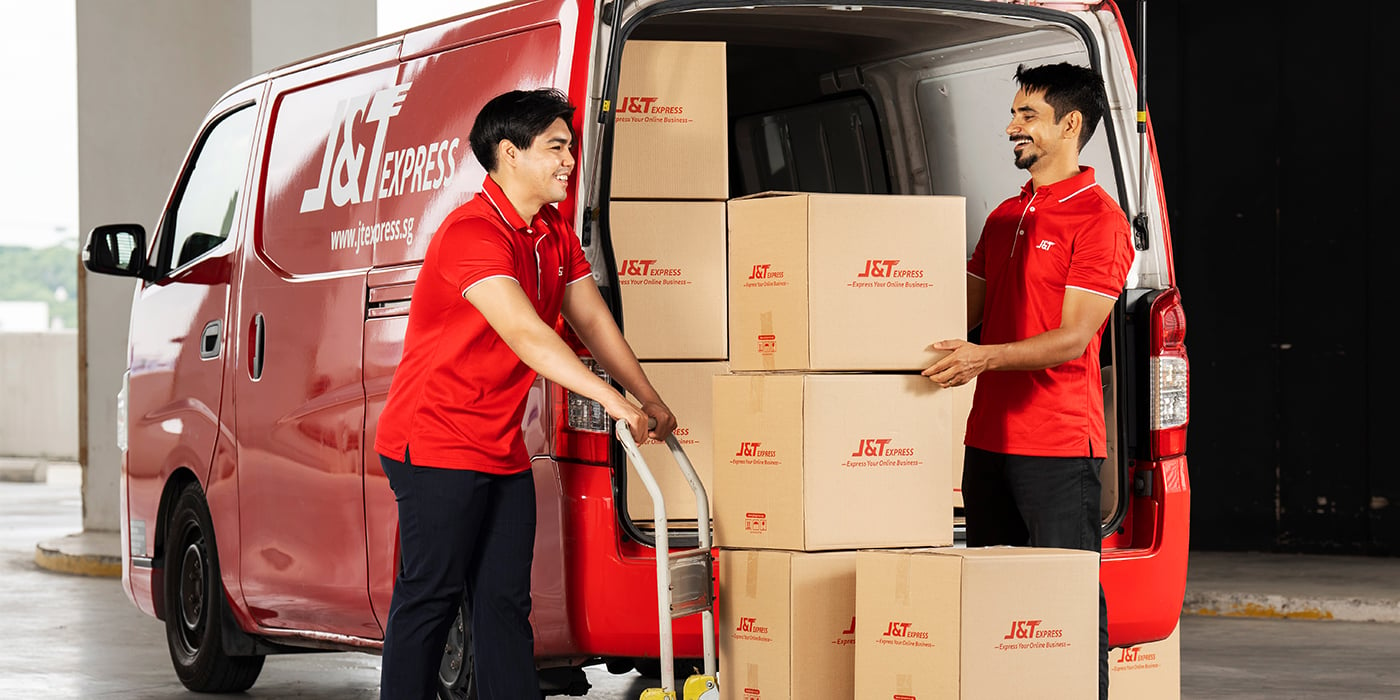
In Conclusion: Building Your Express Delivery Partner Evaluation Framework
Choosing the right express delivery partner for your Southeast Asian ecommerce business requires systematic evaluation across multiple criteria. Platform integration, regional coverage, peak season reliability, and cross-border capability all matter—but their relative importance depends on your specific business model and growth plans.
Start by defining what matters most to your operation. Ask pointed questions that reveal operational reality behind marketing claims. Run pilot tests with real shipments before committing fully.
The delivery partner you choose becomes an extension of your brand. Every parcel they deliver carries your reputation. Take the time to find a partner whose capabilities, values, and growth trajectory align with yours. Your customers—and your business—will benefit from that careful selection.
FAQs About How to Choose Express Delivery for SEA ECommerce
What is the most important factor when choosing an express delivery partner?
Platform integration capability typically matters most because it determines your operational efficiency. A delivery partner that connects directly with your sales channels eliminate manual order entry and reduces errors.
J&T Express integrates with most major Southeast Asian marketplaces and store platforms, automating order processing and waybill generation so you can focus on growing sales rather than managing logistics.
How do I evaluate a delivery partner's peak season reliability?
Ask for specific performance data from previous peak events like 11.11 and 12.12. Request on-time delivery rates during those periods and references from sellers who shipped high volumes through them.
Look for partners with automated sorting infrastructure. J&T Express uses industrial-grade automated sorting equipment with the capacity of processing more than 200,000 parcels daily, giving us capacity to handle surge volumes without degraded service.
Should I use one delivery partner or multiple partners?
One partner simplifies operations and often earns you better rates through consolidated volume. Having multiple delivery partners may lead to more coordination efforts, which may not necessarily protect your brand against service disruptions during critical periods.
How important is cross-border capability for a regional ecommerce seller?
Cross-border capability becomes important when you're ready to expand beyond your home market. Southeast Asia's fragmented markets mean significant growth potential across borders.
J&T Express delivers to over 220 countries with localised operations across 13 countries in the region. Their customs clearance support and end-to-end cross-border solutions remove complexity from international expansion when you're ready.
What delivery speeds should I offer my customers?
Offer tiered options matching customer expectations and product margins. Express delivery at higher cost satisfies urgent orders. Economy options serve price-sensitive customers buying non-urgent items.
J&T Express offers next-day delivery, four-hour express for fulfilment clients, and Premium+ guaranteed next-day service. This range lets you give choice at checkout rather than one-size-fits-all shipping.
How do I handle delivery partner integration with my existing systems?
Most major delivery partners offer direct marketplace plugins and API access. Start with the native integrations for your primary sales channels, then explore API connections for custom requirements.
J&T Express offers plugins for Shopify, Shopcada, and more, alongside direct marketplace integrations. Our API documentation supports custom connections for larger operations with proprietary order management systems.