Peak season is one of the biggest opportunities — and operational challenges — for e-commerce businesses. Major shopping events, festive periods and promotional campaigns can drive a significant increase in orders within a short period, putting fulfilment and delivery networks under considerable pressure.
1. Forecast Your Peak-Season Parcel Volume
The foundation of effective peak season logistics is accurate demand forecasting.Start by reviewing historical sales and delivery data from previous campaigns. Look at how many orders were generated, when customers placed them and duration of those parcels to be delivered.Important factors to consider include:- Historical order and parcel volumes
- Daily and hourly order patterns
- Average parcel size and weight
- Delivery destinations
- Previous delivery delays or exceptions
- Warehouse processing capacity
- Collection schedules
- Returns and re-delivery volumes
2. Confirm Delivery Capacity Early
During peak periods, delivery capacity can become a major constraint.- Available daily delivery capacity
- Additional capacity that can be activated if volumes increase
- Collection capacity from your warehouse
- Sorting and processing capabilities
- Peak-period operating arrangements
- Escalation procedures for unexpected volume increases
3. Protect Last-Mile Delivery Reliability
The last mile is where the delivery experience becomes visible to the customer.A parcel may have been processed and transported efficiently, but a failed delivery attempt or unexpected delay can still result in a poor customer experience.4. Balance Speed With Reliability
Express delivery is often associated with speed, but faster delivery does not necessarily mean better delivery if the service cannot consistently meet its expected timeframe.5. Make Tracking Visibility Part of the Customer Experience
Customers are more likely to check their orders when shopping volumes increase.- Parcel collected
- Parcel processed
- Parcel arrived at a delivery facility
- Out for delivery
- Delivered
- Delivery exception
6. Use Technology to Reduce Manual Processes
Peak season is absolutely the worst time to rely on manual processes.- Automated order creation
- Order synchronisation
- Shipping-label generation
- Bulk shipment processing
- Tracking updates
- Shipment reporting
- API integration
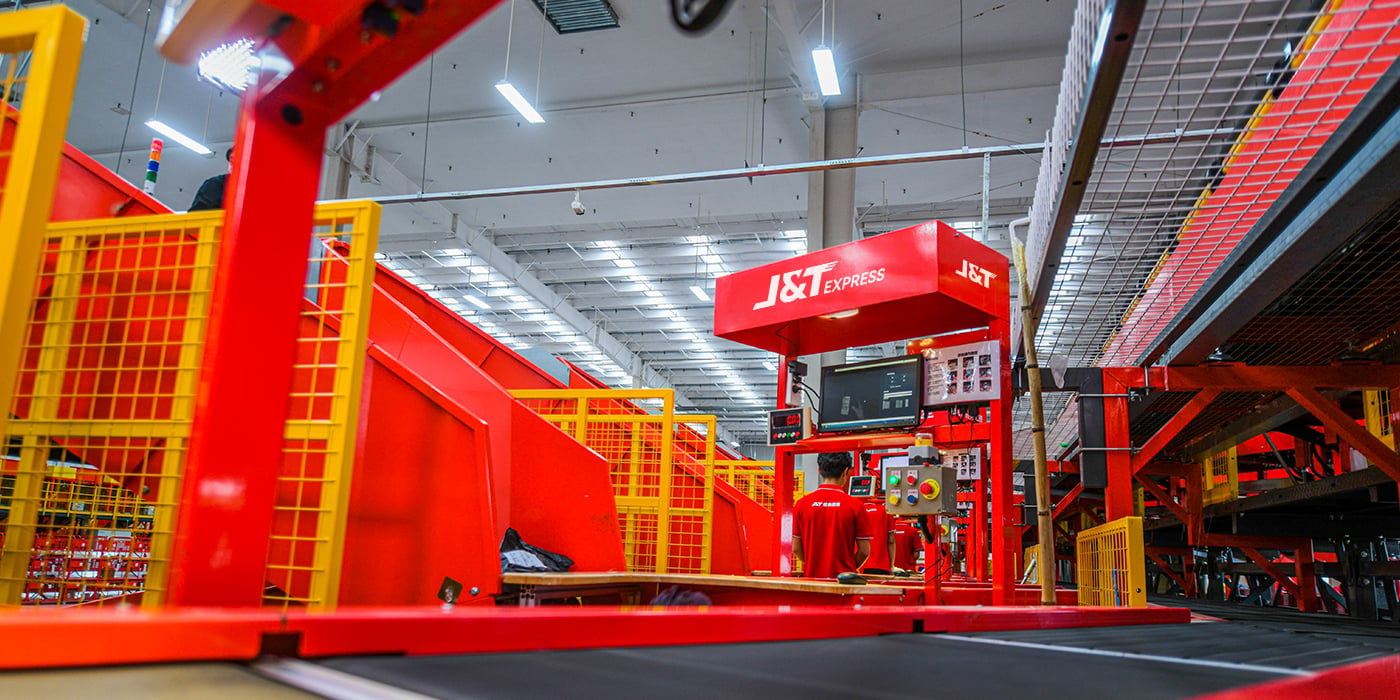
7. Identify Bottlenecks Across the Entire Delivery Journey
8. Establish Clear Operational Cut-Off Times
Delivery promises are closely linked to when an order enters the logistics network.- Customer orders
- Warehouse processing
- Parcel handover
- Same-day collection
- Expected delivery timeframes
9. Prepare a Contingency Plan
Even the most carefully planned peak season can encounter unexpected disruptions.- Orders exceeding forecasts
- Transportation disruptions
- Severe weather
- Vehicle or facility issues
- Labour shortages
- System outages
- Incorrect shipment information
- Increased failed deliveries
10. Evaluate Express Delivery Providers Beyond Price
Cost is naturally an important consideration when selecting a delivery partner. However, for high-volume sellers, the cheapest delivery option may not necessarily deliver the best delivery experience.| Factor | What to consider |
| Capacity | Can the provider handle both normal and peak volumes? |
| Reliability | Does it consistently meet delivery commitments? |
| Coverage | Does it support your key delivery markets beyond Singapore? |
| Scalability | Can capacity increase when demand spikes? |
| Technology | Are integrations and APIs available? |
| Tracking | Can customers and businesses easily monitor shipments? |
| Operations | Is there sufficient sorting, transportation and last-mile infrastructure? |
| Support | Are escalation channels available during peak periods? |
| Reporting | Can performance be monitored and measured? |
| Pricing | Is the pricing competitive and transparent? |
The right provider should be evaluated based on its ability to support your business when volumes are highest, rather than simply its standard-day performance.
11.Monitor Delivery Performance During Peak Season
Peak-season logistics should not be reviewed only after the campaign has ended.Businesses should monitor delivery performance throughout the campaign to identify emerging issues while there is still time to respond.Depending on your operation, useful metrics include:
- Parcel volume
- Collection performance
- On-time delivery
- First-attempt delivery
- Delivery exceptions
- Average delivery lead time
- Undelivered parcels
- Returned parcels
- Delivery-related customer enquiries
Establishing performance thresholds can also help teams determine when action is required.For example, a sustained decline in on-time delivery could indicate a capacity or network issue that needs to be addressed before it spreads.
12. Learn From Every Peak Campaign
The end of a campaign should not be the end of the planning process.Conduct a post-mortem review to compare actual performance against your original forecast.Consider questions such as:
- Did actual parcel volume match the forecast?
- Was sufficient delivery capacity available?
- Where did the biggest bottlenecks occur?
- Were collection schedules effective?
- Which locations experienced the most delays?
- How many deliveries required additional attempts?
- Did the delivery provider meet agreed service levels?
- What should be changed before the next campaign?
Over time, these insights can create a valuable database for future planning.The more accurately a business understands its historical peak-season performance, the better it can forecast demand with better precision, allocate capacity and maintain or enhance delivery reliability during its next major campaign.
Preparing for Peak Season Starts Before the First Order
Peak season puts every part of an e-commerce operation to the test.
For high-volume sellers, successful ecommerce express delivery is not simply about moving parcels faster. It requires careful forecasting, sufficient capacity, reliable last-mile operations, technology integration and proactive performance management.
The best time to identify potential delivery bottlenecks is before the campaign begins — not after customers start asking where their orders are.
By working closely with delivery partners, testing systems, planning for demand surges and monitoring performance throughout the campaign, e-commerce businesses can build a delivery operation that is ready to scale when demand takes off.
Ultimately, the key question for any high-volume seller should be:
Can your delivery network reliably scale when your business is at its busiest?
If the answer is yes, peak-season growth becomes an opportunity to strengthen customer trust — rather than a test of how much pressure your logistics operation can withstand.